



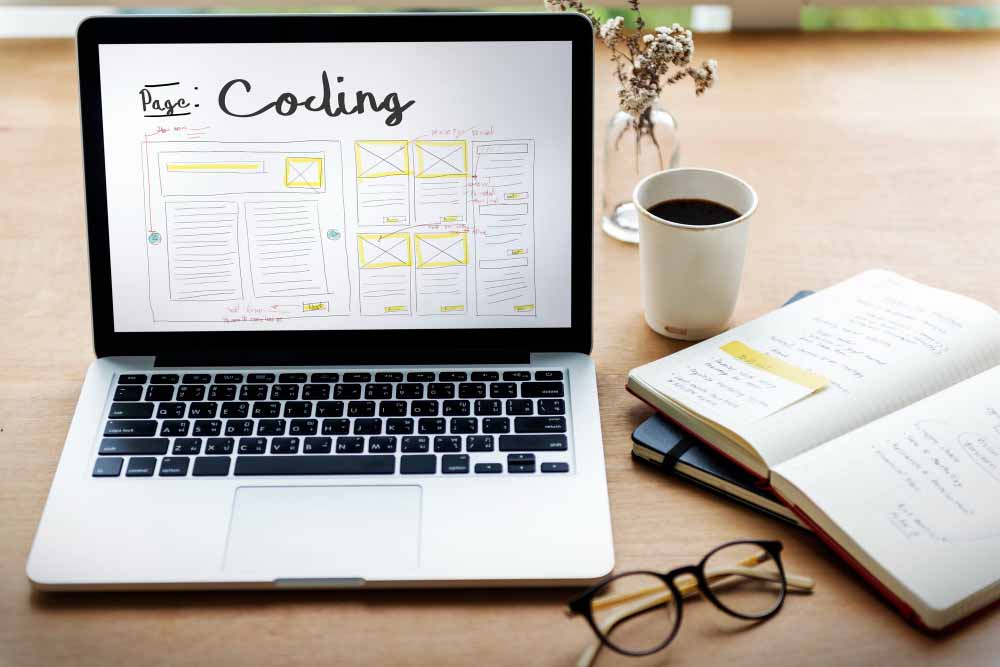

Creating a new website design can feel daunting, with countless styles and layouts to consider. Redesigning a website isn’t just about aesthetics—it’s about creating a better experience for users and making navigation easier.
A website redesign, much like remodeling a home, should improve both form and function. It’s meant to make your site more appealing and efficient, drawing in more visitors and encouraging them to engage with your content.
You may want to consider a redesign if your current website is outdated, isn’t attracting leads, or no longer reflects your brand’s identity. Since this process requires thoughtful planning, here are key factors to consider when designing a website to meet long-term goals.
Also read: SEO, Digital Marketing & Website Magic!
1. Evaluate Your Current Website
Start by reviewing your current website to identify what’s working well and what needs improvement.
- Audit your website – Take a close look at your site to highlight popular pages, visitor behavior, and areas for improvement.
- Determine strengths and weaknesses – Knowing which elements to keep, update, or remove will help you make informed decisions.
- Set goals based on audit results – Decide what you want your new website to accomplish based on current strengths and areas to improve.
2. Include Social Share and Follow Buttons
Incorporating social sharing features is essential for increasing your site’s visibility.
- Boost your online presence – Social buttons make it easy for users to share your content, enhancing reach and credibility.
- Keep visitors engaged – The more shareable your content, the more engaged your audience will be with your site.
- Assess current design limitations – If your current design doesn’t have social buttons, consider them essential for the redesign.
3. Enable Calls-to-Action (CTAs)
A well-designed website guides visitors on what steps to take next with clear calls-to-action (CTAs).
- Increase conversions – CTAs prompt visitors to act, whether it’s signing up for a newsletter or exploring more content.
- Design for user direction – A website without CTAs can leave visitors unsure of what to do, so include CTAs on important pages.
- Use engaging language – CTAs should be actionable and clear to guide visitors effectively.
4. Prioritize Easy Navigation
Good navigation is crucial to the user experience, helping visitors find what they need without hassle.
- Ensure a streamlined layout – Choose a design that organizes content logically for ease of browsing.
- Improve usability – Features like responsive design and clear menu structure can enhance usability and keep users engaged.
- Prevent user drop-off – When visitors can’t easily find information, they’re likely to leave your site. An organized navigation keeps them engaged longer.
5. Reassess Your Target Audience
If your target audience has evolved, your website should reflect these changes to stay relevant.
- Adapt to shifting audiences – As you expand into new markets or add products, your site’s design should address the needs of your current audience.
- Use visuals and features that resonate – Include design elements that appeal to your target demographic to stand out from competitors.
- Continuously evaluate audience preferences – Regularly assess if your design continues to meet audience needs, updating as necessary.

6. Reflect Your Brand’s Personality
Your website design should embody your brand’s personality and resonate with visitors.
- Showcase your brand – Use designs that communicate your brand’s values and connect with your audience.
- Customize for targeted engagement – Include unique landing pages to address specific user interests and needs.
- Maintain a cohesive brand image – A consistent design strengthens your brand identity and helps visitors recognize your unique offerings.
7. Update Your Content Strategy
A new design provides the perfect opportunity to refresh your content to keep it relevant and engaging.
- Review and update existing content – Outdated content can hinder your website’s performance, so update it for accuracy and relevance.
- Plan a new content strategy – Develop a content approach that aligns with your new design, focusing on engaging, informative material.
- Create a publishing schedule – Establishing a content calendar ensures a steady flow of fresh content that keeps users returning to your site.
8. Choose a Responsive Design
Responsive design is essential, ensuring your website functions seamlessly across all devices.
- Meet mobile user expectations – With more people browsing on mobile devices, a responsive design is crucial for user satisfaction.
- Adapt to all screen sizes – Responsive design automatically adjusts to fit the visitor’s screen, improving readability and interaction.
- Enhance user engagement – A responsive site provides a better experience, encouraging visitors to stay longer and explore more.
9. Align with Brand Guidelines
Consistency is key, so make sure your website aligns with your brand’s style and identity.
- Maintain visual harmony – Use consistent colors, fonts, and imagery to create a cohesive and professional look.
- Review brand visuals and tone – Evaluate whether the site’s visuals still accurately represent your brand and adjust as needed.
- Set clear brand guidelines – Ensuring consistency in elements like font hierarchy, icon usage, and tone reinforces your brand image across your site.
10. Set a Realistic Timeline
Redesigning a website is a detailed process, so set a realistic timeline to ensure quality.
- Avoid rushing the process – Depending on the project’s scope, allocate two to five months to allow for a thorough redesign.
- Consider a phased approach – Start with the most important pages and gradually redesign the rest to balance time and resources.
- Involve team feedback – Collaborate with your team to ensure all necessary updates and improvements are made thoughtfully.
11. Define Clear Goals
Setting specific goals for your redesign helps measure the success and guide your efforts effectively.
- Set measurable objectives – Define goals like increasing traffic, engagement, or conversions to track your website’s progress.
- Base goals on data – Use analytics from your current site to set realistic, achievable objectives.
- Communicate goals to your team – Share your objectives with everyone involved in the redesign to keep efforts aligned.
12. Manage Expectations
A redesign won’t result in instant success. Growth and engagement will improve gradually over time.
- Be patient with results – Growth in metrics like traffic and conversions takes time, so set realistic expectations.
- Monitor performance with analytics – Use tools to track performance and analyze whether the new design meets your objectives.
- Plan for continuous improvement – Regularly evaluate site performance and make adjustments as needed to optimize results.
Conclusion
As your business grows, redesigning your website ensures it remains aligned with your goals and audience. A well-executed redesign should enhance your brand’s image and improve the user experience, supporting long-term growth and engagement.